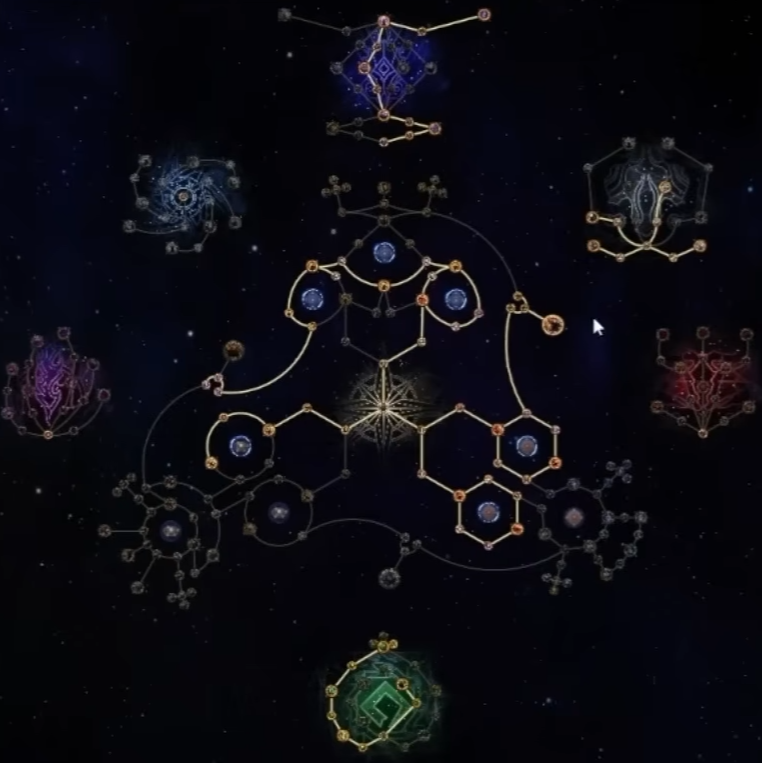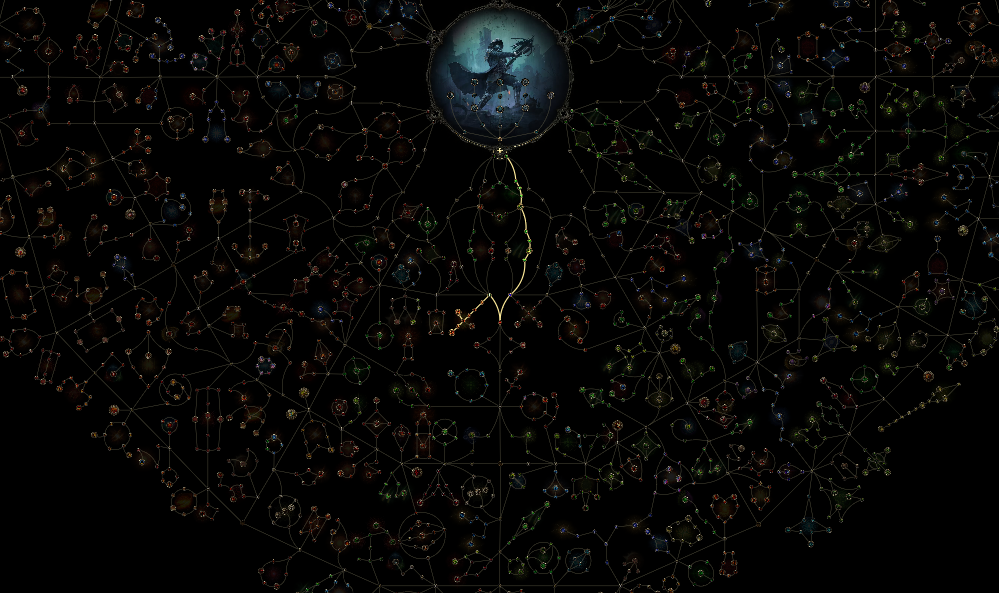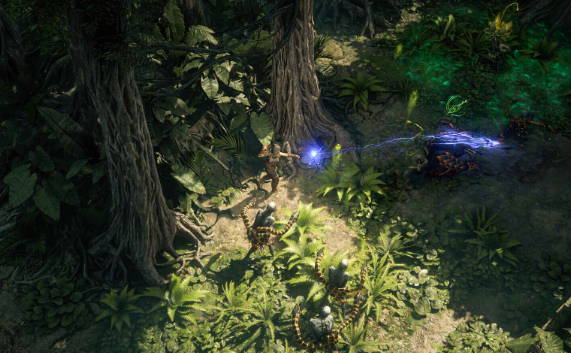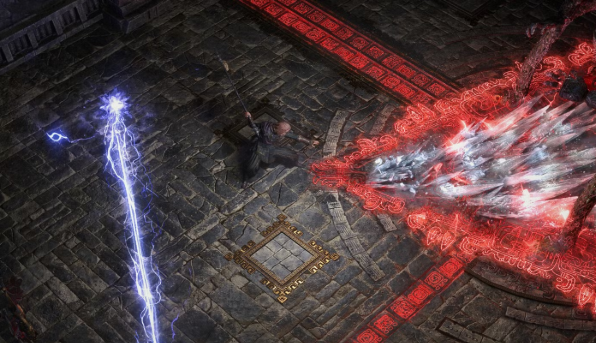


In Path of Exile 2, Temple runs stop being about “good rooms” long before the rewards start getting absurd. At the highest level, success is decided by layout — the deliberate architecture of how rooms connect, collapse, and chain together. Read this PoE 2 0.4 temple guide, and we'll break down how to build Vaal Temple.

What is a PoE 2 Temple Layout?
A Temple Layout is the planned architecture of your final Temple run — not just which rooms you want, but how they are connected and in what order enemies and rewards are forced to chain. In PoE 2, layout matters more than individual rooms because many rooms only function if chained (Spymaster, Golemworks, Corruption, Commander chains). Pathing determines how many times reward rooms trigger. Loops can duplicate or delete entire room chains depending on how they close. Certain rooms can only accept specific neighbors unless overridden by road/path tech.
A high-end temple layout is essentially a routing puzzle where you:
Lock critical rooms
Force illegal connections using roads/path overrides
Control deletion outcomes when rooms collapse
And funnel the entire temple through one or two hyper-efficient reward loops
This is why layout > room choice at the highest level.
How to Close a Major Spymaster Loop in PoE 2?
A Spymaster loop is a chain of Spymaster-connected Garrisons that forms a closed circuit. When completed correctly. Every Spymaster in the loop feeds into every other Spymaster. Rewards scale multiplicatively instead of linearly. The temple becomes extremely volatile — one mistake can delete the entire chain
“Closing” the loop means the last missing connection is created. The loop becomes self-referential.
Any future room deletion or overwrite can cascade through the entire loop. This is why players delay closing Spymaster loops until everything else is locked. Once closed, the temple enters a point-of-no-return state.
How to Close a Major Spymaster Loop in PoE 2?
This is repeated because it’s critical. Once a Spymaster loop is closed, running the temple deletes all Spymasters (they consume themselves). Any architect death or forced overwrite can break the loop safely or completely annihilate the chain.
That’s why the narrator saved two Sacrificial Chamber cards. One to intentionally collapse the loop. One to reopen and extend it in a controlled direction. This is advanced “Russian Tech” / “Roman Roads” temple manipulation — using intentional destruction to gain better positioning, not avoid it.
Golemworks Chain Road Controlled Demolition in PoE 2
This is when you intentionally allow destruction in a very narrow, predictable way to force the game to resolve room deletion in your favor. What you did correctly here, you locked one Smithy, making it immune to deletion. The upper Golemworks chain was already locked, so it was safe. That left only one golemworks, one smithy or one of two Roads as valid deletion targets. By doing this, you constrained the deletion pool to a 50/50 outcome that both benefited you:
If a Golemworks or Smithy was deleted → annoying but recoverable
If a Road was deleted → best-case outcome
The game deleted the path toward the entrance, which is exactly what you needed to extend the chain forward later. This is controlled demolition because:
You didn’t stop deletion
You shaped where destruction could legally occur
The outcome advanced your long-term layout plan
This is high-level temple play done correctly.
Golemworks Chain Road Uncontrolled Demolition in PoE 2
Uncontrolled demolition is when you lack sacrifice cards, you don’t have enough locks, multiple chains are exposed simultaneously and deletion is allowed to occur without constraints. At that point, the game can delete critical connectors. Entire chains can collapse unpredictably. Loops may half-close and become unrecoverable.
Earlier in the process, this happened when too many roads were open. Spymaster loops weren’t fully locked. Architect deaths triggered wide deletion zones. Uncontrolled demolition is not “bad RNG” — it’s structural exposure. The difference between elite and average temple builders is knowing when not to roll the dice.
How to Close the Inner Loop in PoE 2?
The inner loop refers to a localized closed circuit inside the temple — usually involving:
Corruption Chamber → Thurge
Golemworks → Smithy
Alchemy Lab bridges
When you closed the inner loop, you created a self-contained reward circuit. That circuit could now be safely locked, be intentionally reopened later or be sacrificed without affecting the outer structure. Inner loops are useful because they allow illegal placement overrides. They let you farm cards/medallions safely. They act as structural anchors during later chaos. Closing the inner loop was correct and necessary to stabilize the build.
How to Close the Outer Loop in PoE 2?
The outer loop is the full temple-spanning chain — often involving spymasters, long Golemworks paths and entrance-to-boss routing.
Closing the outer loop is extremely dangerous because the loop becomes self-referential. Any future deletion affects everything. Running the temple deletes all looped rooms. Sacrifice cards immediately reopen paths in unpredictable directions.
In your case:
You closed the outer loop with a Sacrificial Chamber
Gained a remove-room card (as expected)
Reopened the loop from the wrong side
This:
Exposed unfinished paths
Created illegal partial loops
Set the stage for cascading deletion later
That moment “sealed your fate” because:
The temple now had multiple active loops
Not all were locked
And future actions could no longer be fully controlled